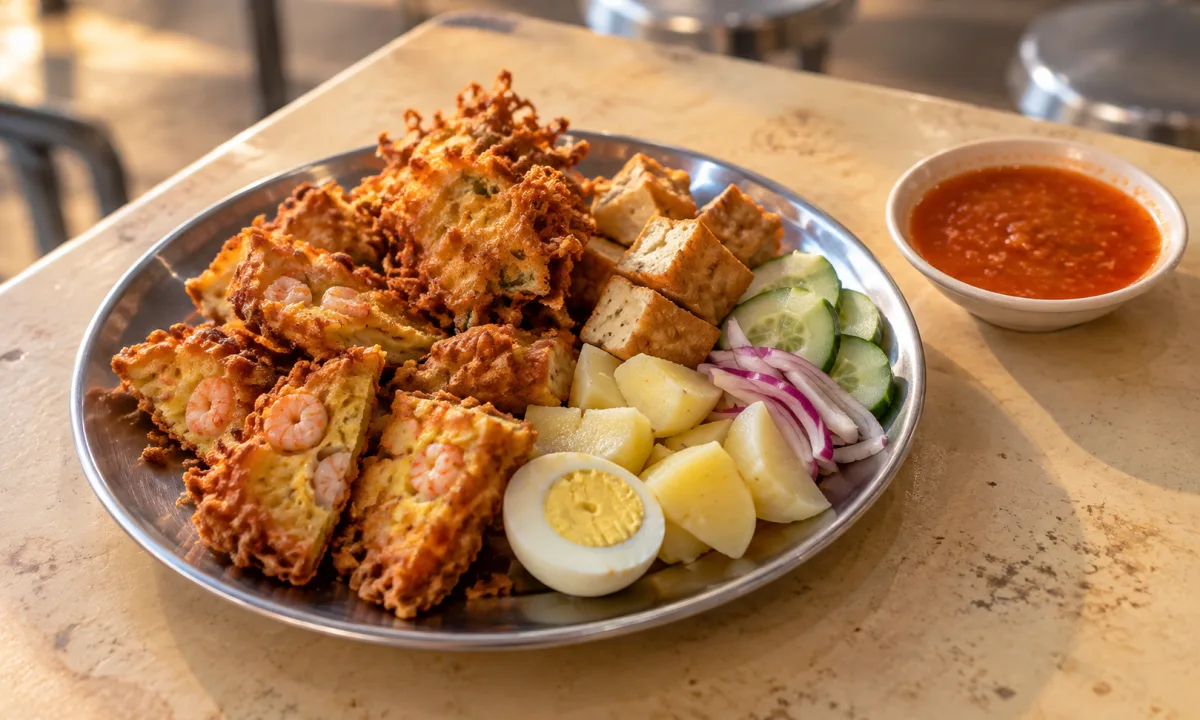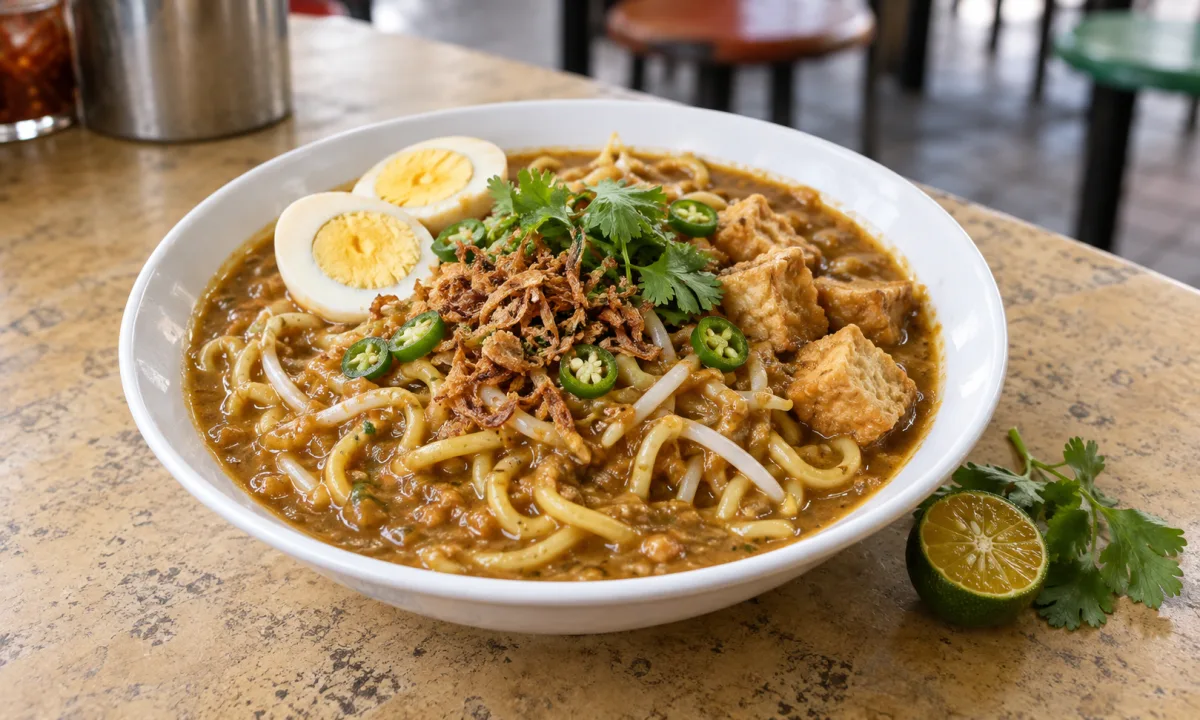
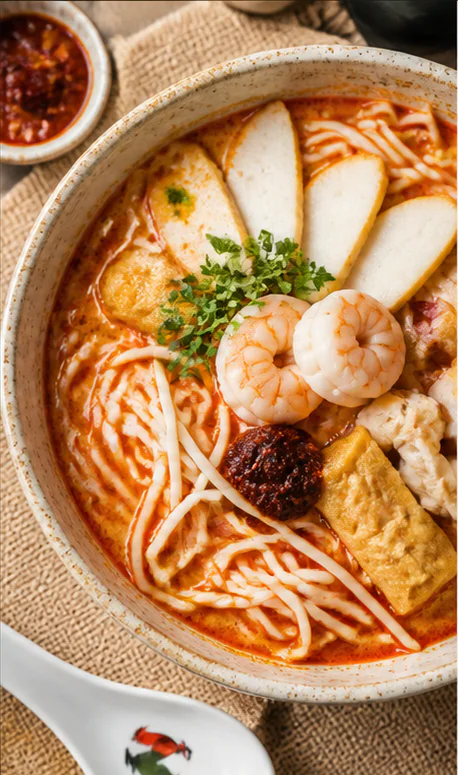
Singapore never runs short of good food. The harder part is noticing the small-batch dishes that do not sit behind a large storefront, a familiar chain name or a major advertising budget. Home cooks and independent kitchens often build their following one menu, one neighbourhood and one recommendation at a time.
Finding them should feel enjoyable, not like investigating a spreadsheet. A visual discovery service can help, but the photograph is only the beginning. The useful decision comes from combining what looks good with the practical information a kitchen has chosen to publish.
Start with the dish, not an endless directory
A long alphabetical list makes every kitchen look equally relevant. Food is more instinctive than that. Start with the dish that catches your attention, then open its kitchen page to understand who makes it, what else is on the menu and how the food is offered.
This keeps discovery broad without becoming random. A bowl of laksa may lead you to a Peranakan home kitchen; dumplings may introduce a small evening menu; a grain bowl may reveal a cook working around seasonal produce. The image creates the opening, while the listing supplies the context.
Use distance as context, not the whole decision
Nearby matters, especially for pickup or short delivery windows, but the closest result is not automatically the right one. Preparation time, ordering hours, minimum spend and the way you plan to receive the food can matter just as much.
Treat a neighbourhood or distance label as one useful signal. If location access is optional, share it only when nearby sorting is valuable to you. A general area can still help you understand whether a kitchen is practical without requiring an exact residential address to appear on a public page.
Read the kitchen behind the photograph
Once a dish looks promising, look for the kitchen’s current menu, short description and service information. A focused menu can be a strength: it often means the cook is producing a small number of dishes repeatedly rather than trying to cover every possible craving.
Pay attention to what is present rather than filling gaps with assumptions. Genuine ratings, reviews or verification indicators should appear only when there is real supporting data. A listing without those signals may simply be new; it should not be given invented proof to make it look established.
Check the service mode before falling in love with the menu
Pickup, delivery and dine-in describe very different experiences. A kitchen may support one, several or none at a particular time. Check the available mode early so that a great-looking dish also fits the way you want to receive it.
For pickup, consider the collection area and timing. For delivery, look for any stated coverage, fees or minimums. For dine-in, confirm that the location is genuinely customer-facing. A residential home-kitchen address should not be published as though it were a walk-in restaurant.
Compare the whole offer, not one number
Price is easiest to compare when the listing also gives enough context: portion, set contents, optional additions and preparation estimate. Two dishes with similar names may be designed for different appetites or occasions.
A useful shortlist weighs the dish, kitchen, service mode and timing together. If a detail is important and missing, ask before ordering rather than assuming. That is especially relevant for allergens, dietary requirements and time-sensitive meals.
Save before you decide
Discovery does not have to end in an immediate order. Saving two or three kitchens makes it easier to return when their menu or your schedule lines up. It also prevents the familiar problem of remembering the photograph but losing the name.
Public browsing should remain available without an account. Signing in makes sense when the action becomes personal—saving a kitchen, collecting a recipe, messaging a seller or placing an order.
A five-minute routine for a first order
Before committing to a new kitchen, run through a short, repeatable check. It keeps the decision practical without taking the fun out of discovery.
- Choose the dish that genuinely interests you.
- Open the kitchen and scan the current menu.
- Confirm price, preparation timing and service mode.
- Check any dietary or allergen information you need.
- Save the kitchen or continue through the live ordering flow.
Discovery should leave room for surprise
Home-cooked food is interesting partly because it is personal, local and often produced at a smaller scale. The goal is not to turn every cook into the same kind of listing. It is to make the important differences visible enough for diners to choose confidently.
Start with what looks good, check the details that matter to you and keep a shortlist. Your next favourite dish may be closer than the biggest search result suggests.